Zivver
Sales Deck.
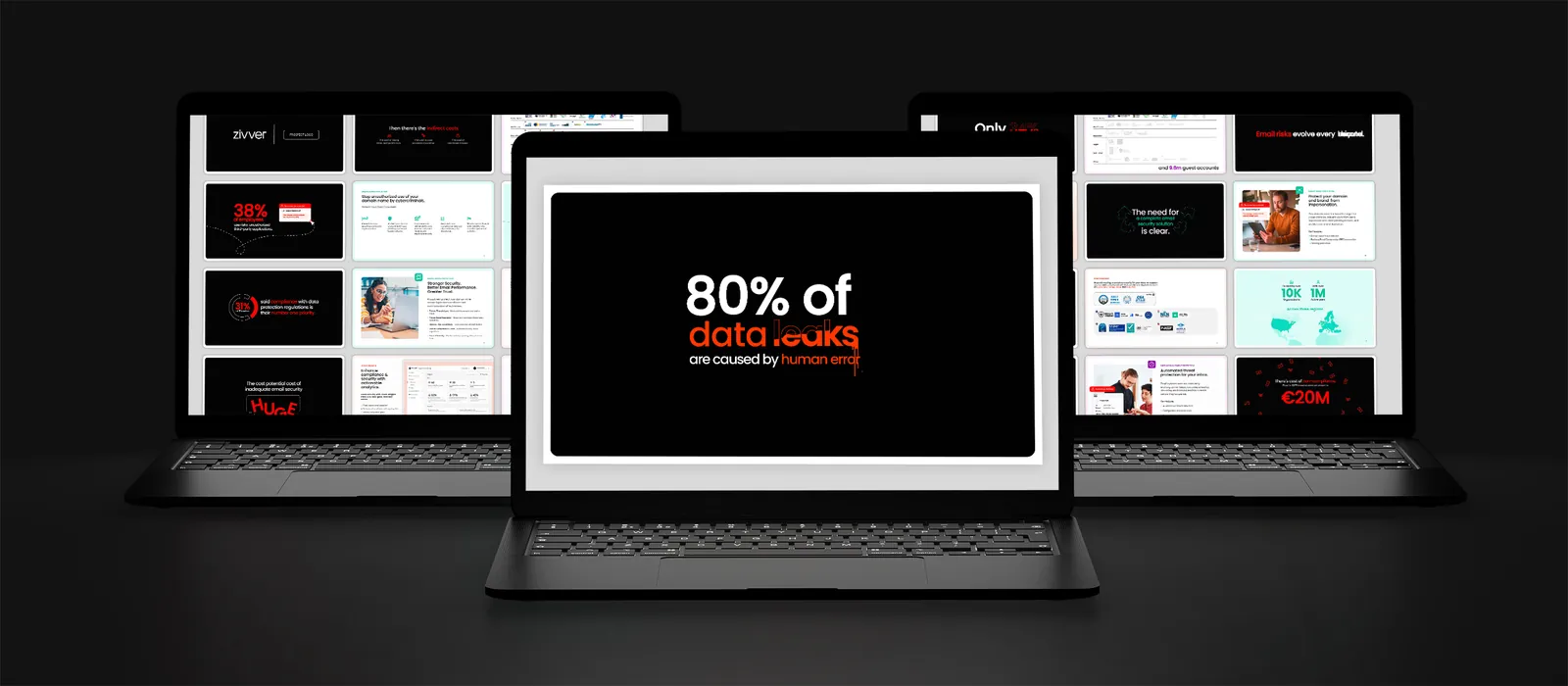
Turning a 100+ slide template into a sales weapon. We replaced a comprehensive but forgettable deck with a data-led story that hooks a prospect in the first 24 slides, before selling a single product feature.
The Process
A sales deck for the first call.
The one that decides whether there's a second.
Zivver is an email security platform trusted by over 10,000 organisations and 1 million active users across three regions. They came to us needing a sales deck their team could use in initial discovery calls with new prospects: a tool to introduce who Zivver is, what the threat landscape looks like, and why a prospect can't afford to ignore it.
The ask was clear. The challenge wasn't. Zivver provided a comprehensive 100+ slide PowerPoint template covering every use case, sector, product line, and objection scenario. The production quality was high. The problem was the hook, or rather, the absence of one.
A deck the sales team would actually use
Comprehensive doesn't mean compelling
Full deck redesign + team training
We didn't start with slides.
We started with a question the prospect was already asking.
Working through the template with a strategist and a copywriter, I pushed back on the opening: it wasn't working. Not because the content was wrong. It was accurate and well-structured. But a first sales call isn't a product review. It's an audition. You have about three minutes to make the prospect feel something before they start thinking about what to have for lunch.
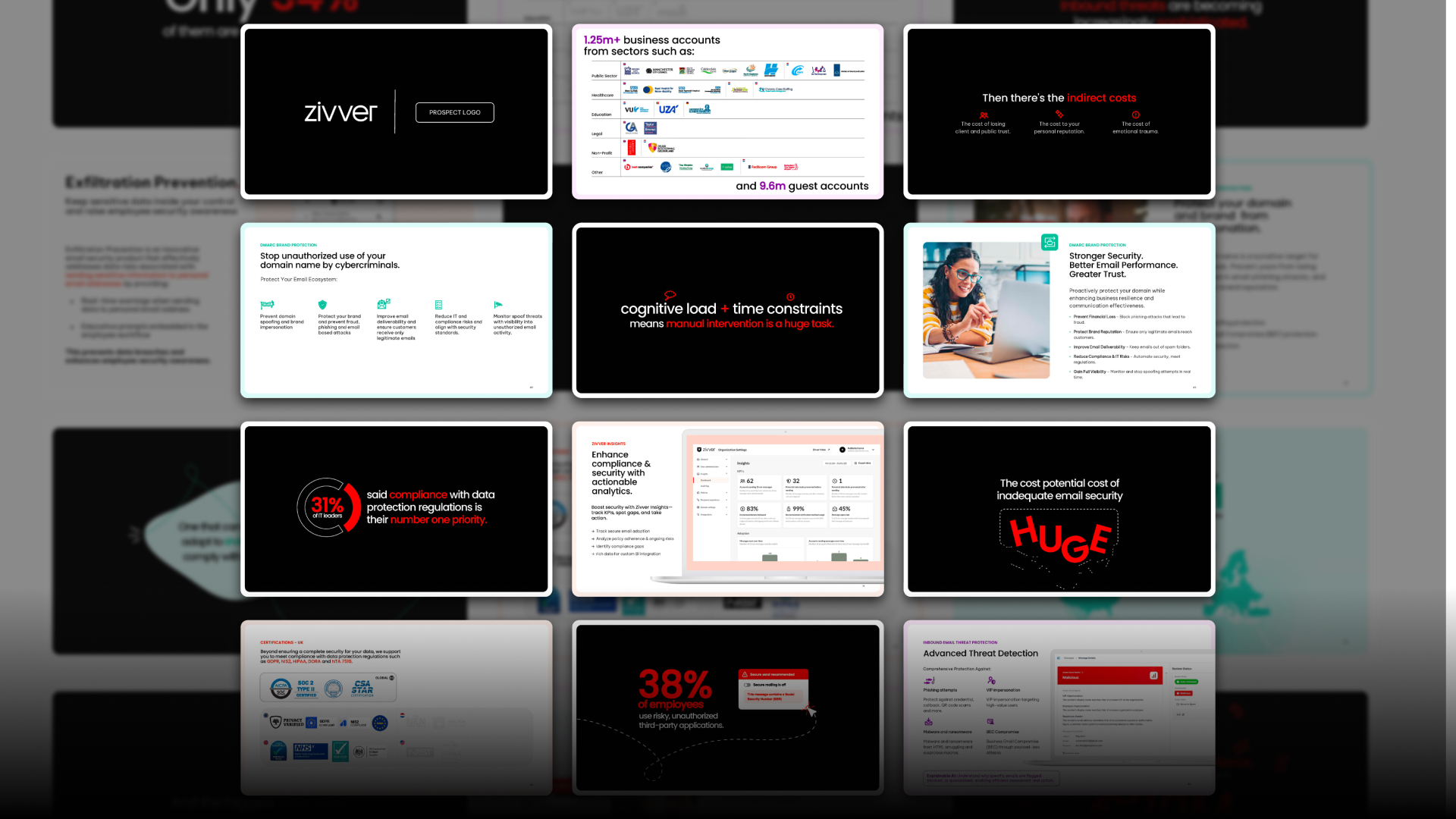
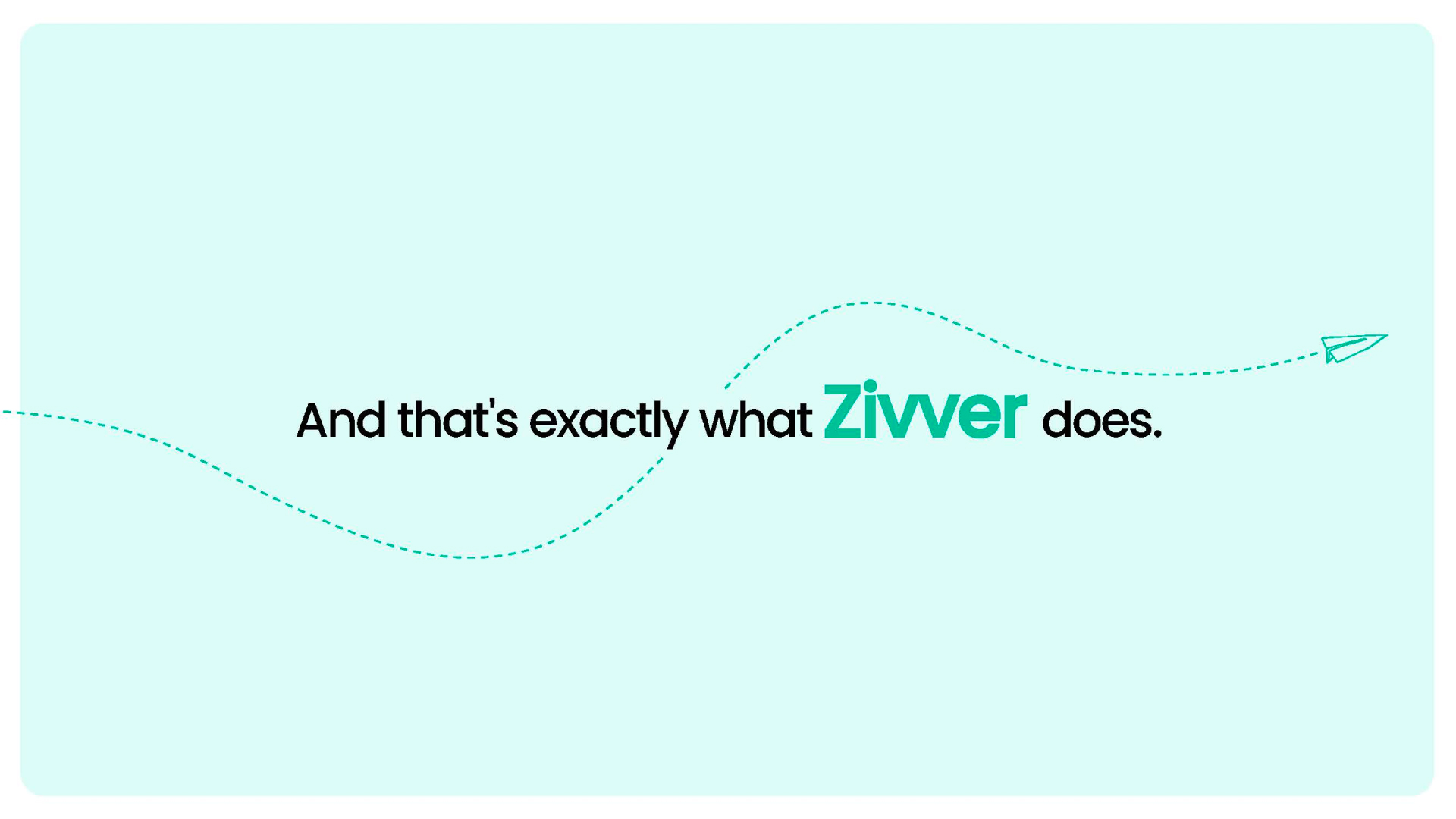
My call was to build a scene. Before a single product slide, before the Zivver logo appears in a selling context, we would take the prospect through the world they were already living in: the threat landscape, the human error statistics, the compliance pressure, the cost of doing nothing. Twenty-four slides. No feature lists. Just data and consequence, building to a single sentence: "And that's exactly what Zivver does."
Story before selling
One idea per slide, no exceptions
The data writes the tension
Training the team to use it right
Twenty-four slides.
Four acts. One inevitable conclusion.
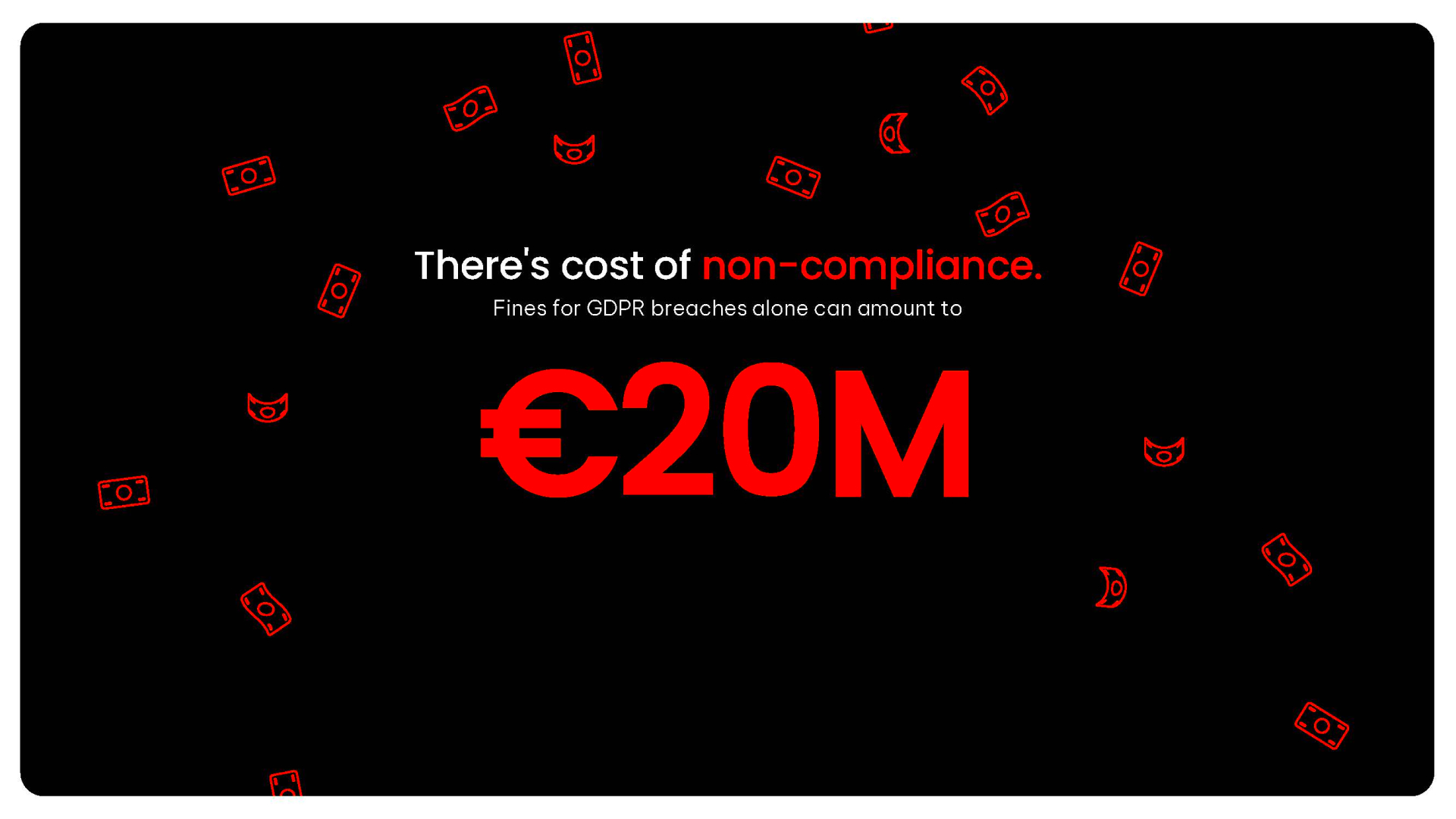
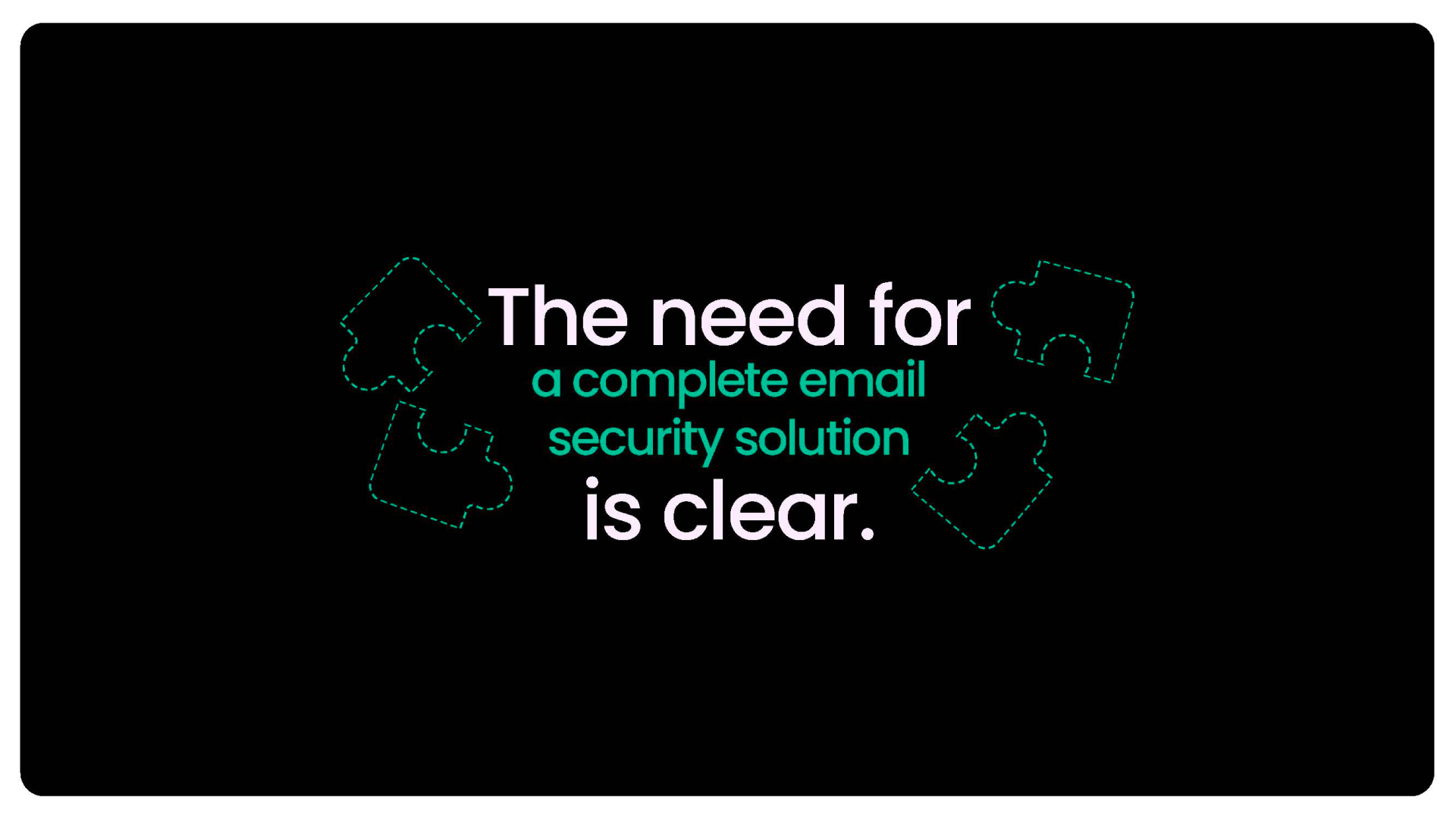
The opening sequence was structured as a four-act narrative: threat, human error, compliance and cost, each escalating the stakes before the pivot into Zivver. Every slide was a single data point or idea, designed to be read in under five seconds and felt for the rest of the call.
The Deck
Beyond the hook, the full pitch
is built to flex around every prospect.
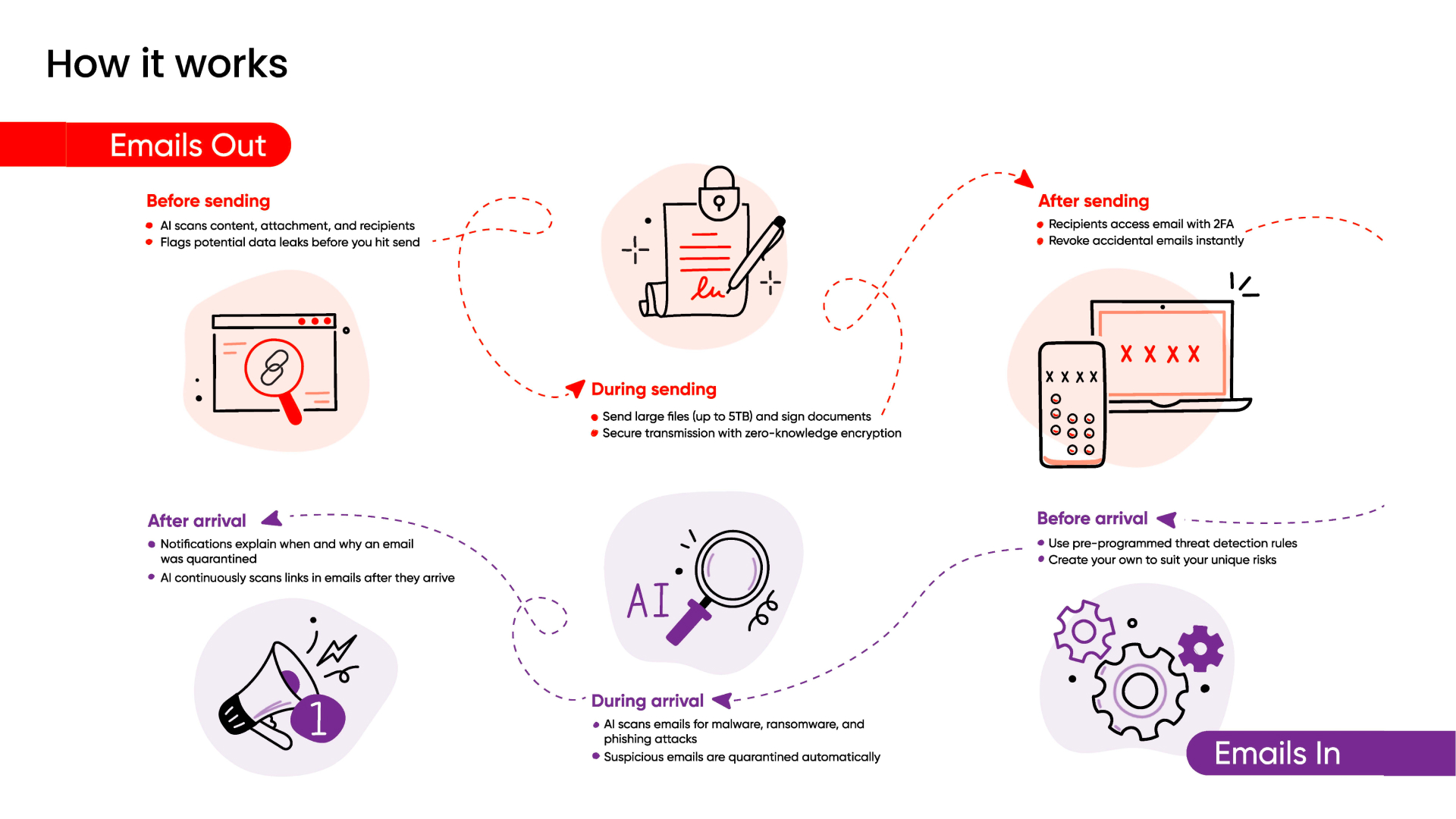
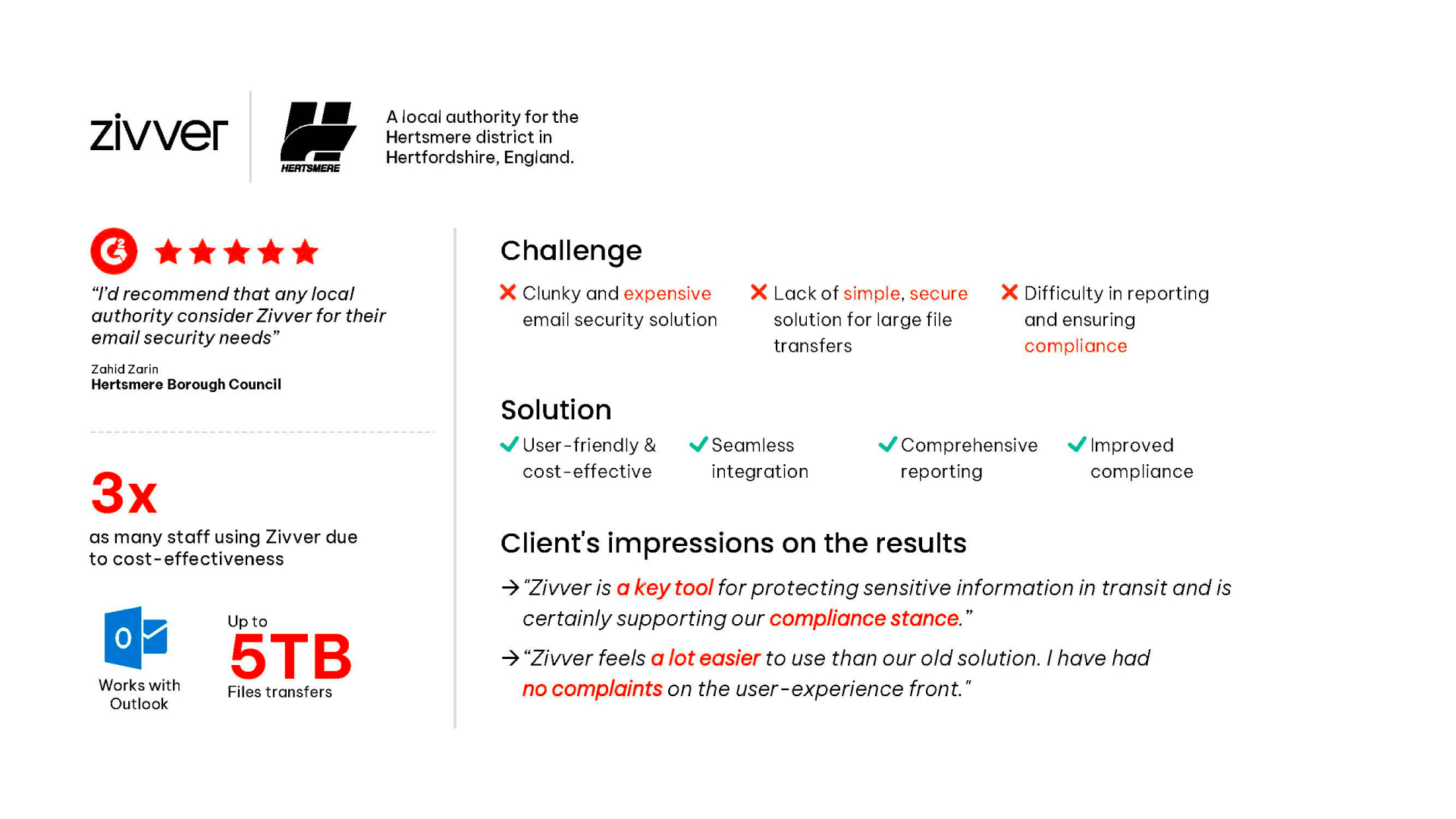
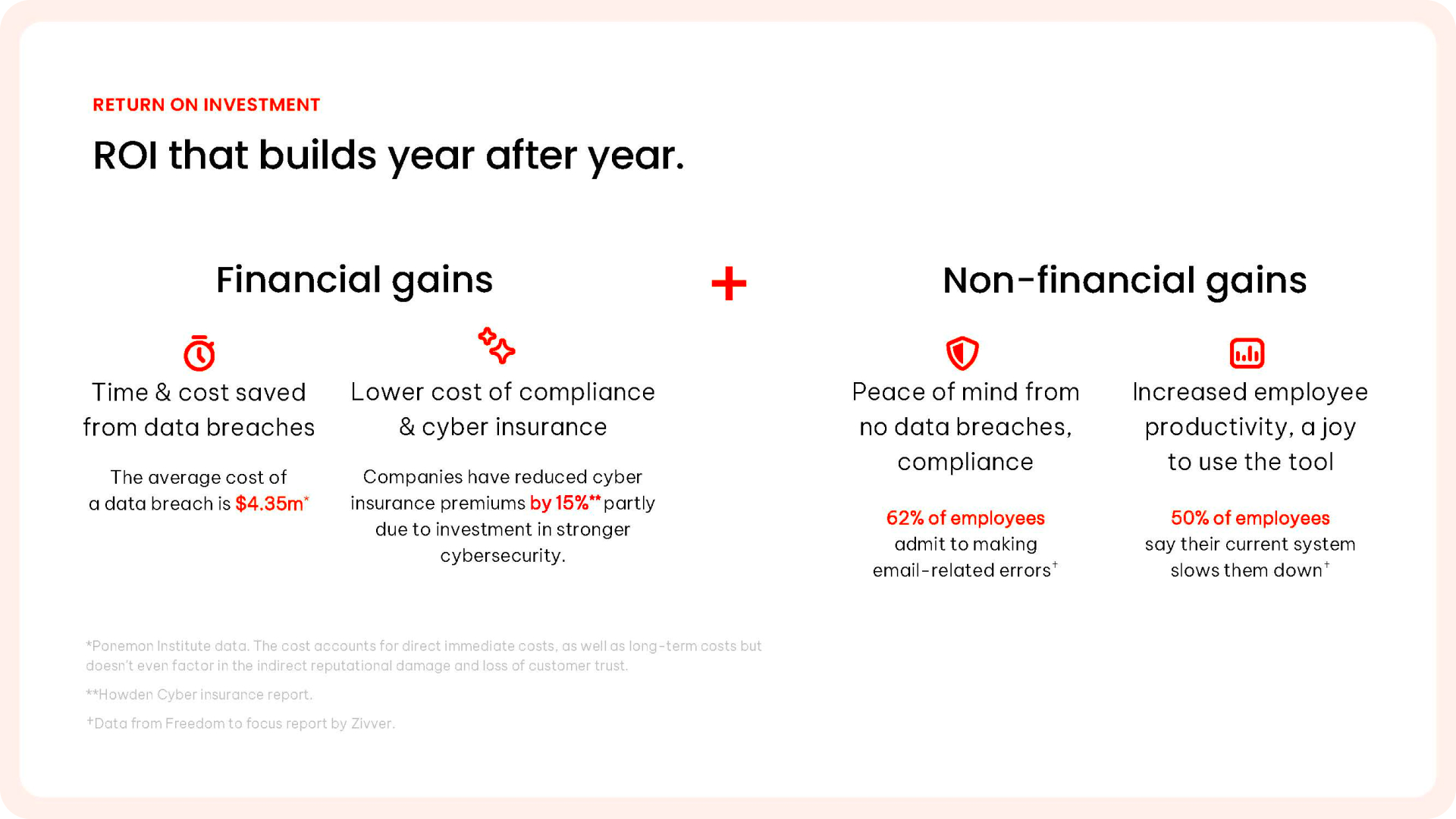
After the story arc, the deck transitions into Zivver's product suite, sector-specific case studies, compliance certifications, and ROI framing. The Zivver template's modular depth becomes a strength here: the sales team can tailor the second half of the deck to each prospect's industry and challenges while the opening 24 slides always stay fixed.


Outcomes
What we
shipped.
trained
The sales team didn't just receive a deck.
They received a method.
The opening story sequence is the part of the deck built to do the heavy lifting. By the time a prospect reaches the product section, the deck has already framed the problem, the stakes, and the cost of inaction, so the conversation starts from a shared understanding of the risk, not a cold feature pitch. That was the whole intent: earn the prospect's attention before asking for anything.
The training session that accompanied the deck was as important as the design. The training walked the team through each beat: why a particular statistic was chosen, how long to let it sit on screen, which slides should trigger a conversation and which ones should be let to breathe in silence. Knowing how to use the tool is what separates a good deck from one that actually converts.
What made this project work was a clear split: the strategist decided what went in, the copywriter wrote it, and the design decided the order, the pacing and how each beat landed. The late nights were real, and so was the outcome: a fast, focused piece of sales infrastructure, built under pressure and delivered on time.